Audio content is rapidly becoming one of the most influential elements in digital marketing. As consumer behavior shifts toward more dynamic and accessible formats, brands are increasingly turning to sound-based experiences to capture attention, convey messages, and build stronger emotional connections with their audiences. From podcasts and video narration to short-form social media content, audio is no longer a secondary enhancement it is a core component of modern marketing strategies.
The growing dominance of mobile devices and video-first platforms has accelerated this shift. Users often consume content while multitasking, commuting, or scrolling quickly, making audio an essential channel for delivering information effectively. In this environment, brands that integrate audio strategically are better positioned to stand out in crowded digital spaces.
Why audio content is gaining momentum
One of the primary reasons audio content is thriving is its ability to engage users without requiring full visual attention. Unlike text or static visuals, audio allows messages to be consumed passively while still delivering clarity and emotional nuance. This makes it particularly effective for storytelling, education, and brand communication.
Additionally, audio enhances accessibility. Voice-based content supports users with visual impairments and improves inclusivity across digital platforms. As accessibility standards become increasingly important for brands, audio content plays a crucial role in meeting both ethical and practical expectations.
Another key factor driving adoption is trust. Human-like narration adds warmth and authenticity to content, helping brands sound more relatable and credible. Even in short-form marketing materials, voiceovers can elevate messaging and improve audience retention.
The role of artificial intelligence in audio creation
Artificial intelligence is reshaping how audio content is produced. Traditional voiceover creation often involved high costs, long turnaround times, and limited flexibility. Today, AI-powered solutions allow marketers to generate high-quality audio quickly and efficiently, without the need for professional recording equipment or studio sessions.
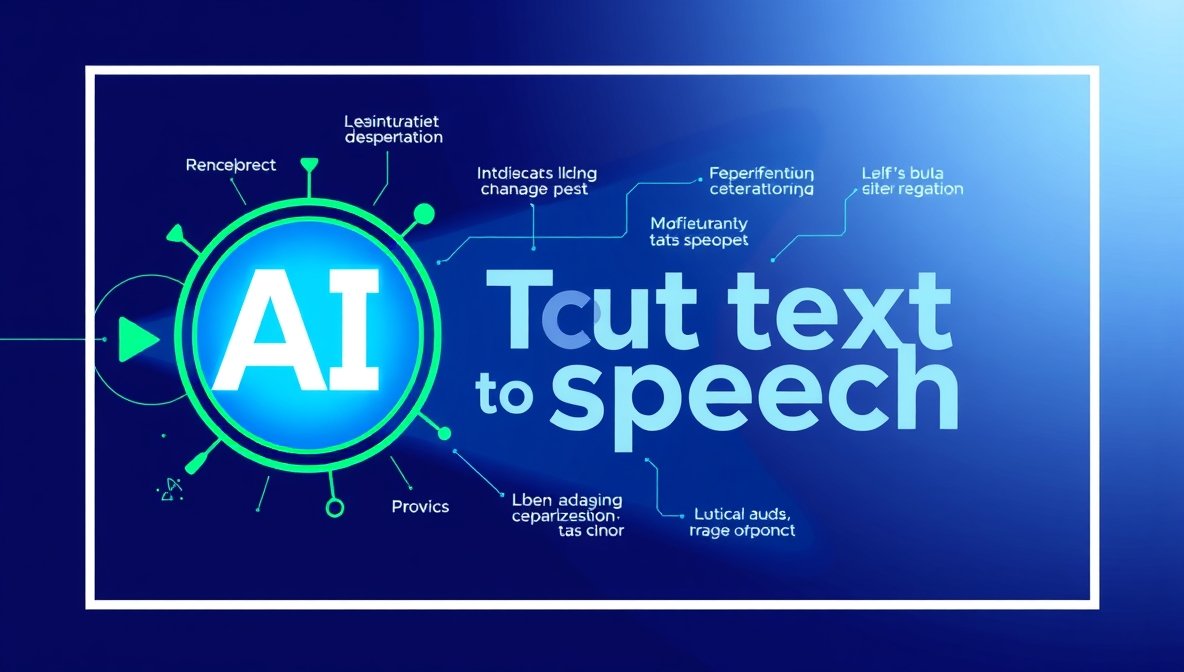
AI-driven audio tools can convert written scripts into natural-sounding speech in minutes. These tools analyze tone, pacing, and pronunciation to produce narration that closely resembles human voice patterns. This evolution has made audio production more accessible to businesses of all sizes, from individual creators to large marketing teams.
Within platforms like Adobe Express, features such as AI text to speech allow marketers to integrate voiceovers directly into their creative workflow. This seamless approach simplifies production while ensuring consistent quality across different types of content.
Audio content across digital marketing channels
The future of digital marketing audio lies in its versatility. Audio is no longer limited to podcasts or long-form videos; it now plays a central role across multiple channels.
In social media marketing, short videos with narration often outperform silent visuals by increasing watch time and engagement. Platforms like Instagram, TikTok, and YouTube favor content that keeps users engaged longer, and audio contributes significantly to this metric.
In paid advertising, voiceovers help deliver value propositions quickly and clearly. A strong audio message can reinforce brand identity and make advertisements more persuasive, especially when paired with compelling visuals.
Educational and informational content also benefits from audio integration. Tutorials, explainer videos, and onboarding materials become more intuitive when guided by voice, helping users absorb information more effectively.
Scalability and brand consistency
As content demands continue to grow, scalability becomes a major challenge for marketers. AI-powered audio tools offer a solution by enabling rapid content production without compromising quality. Marketers can easily create variations of the same audio for different platforms, audiences, or languages.
Consistency is another critical advantage. Maintaining a uniform tone of voice across campaigns strengthens brand recognition and trust. AI-generated narration allows brands to standardize audio output, ensuring that messaging remains aligned regardless of where or how it is published.
This level of consistency is particularly valuable for global brands and teams managing large content libraries. About the website befitnatic
Challenges and considerations
While AI audio tools offer efficiency and scalability, thoughtful implementation remains essential. Script quality is still the foundation of effective audio content. Poorly written or unclear scripts will reduce the impact of even the most advanced technology.
Brands should also consider tone and audience expectations. Audio content must align with brand identity and platform context. What works for a casual social media video may not be suitable for a corporate presentation or educational resource.
Ethical considerations, such as transparency and responsible use of AI-generated voices, will also play a larger role as technology continues to evolve.
Looking ahead
The future of audio content in digital marketing is defined by accessibility, personalization, and efficiency. As AI technology advances, audio will become more adaptive capable of responding to audience preferences, contexts, and behaviors in real time.
Brands that embrace audio as a strategic asset rather than an afterthought will be better equipped to engage modern audiences. By combining strong storytelling with innovative tools, marketers can create richer, more immersive experiences that resonate across platforms.